

Hair Transplant Options
& Techniques
in Colombia
Considering a hair transplant in Colombia? At HERO Institute, every treatment begins with a medical evaluation by a qualified surgeon. Your plan is based on your hair-loss pattern, donor-area quality, hair characteristics, medical history, goals, and the likelihood of future hair loss, not a one-size-fits-all package.
Founded in 1998, HERO Institute provides hair-restoration care in Bogotá and Medellín using manual and robotic follicular unit extraction, along with other surgical and non-surgical options when appropriate. Our medical team supports local and international patients from the first consultation through 12 months of follow-up.
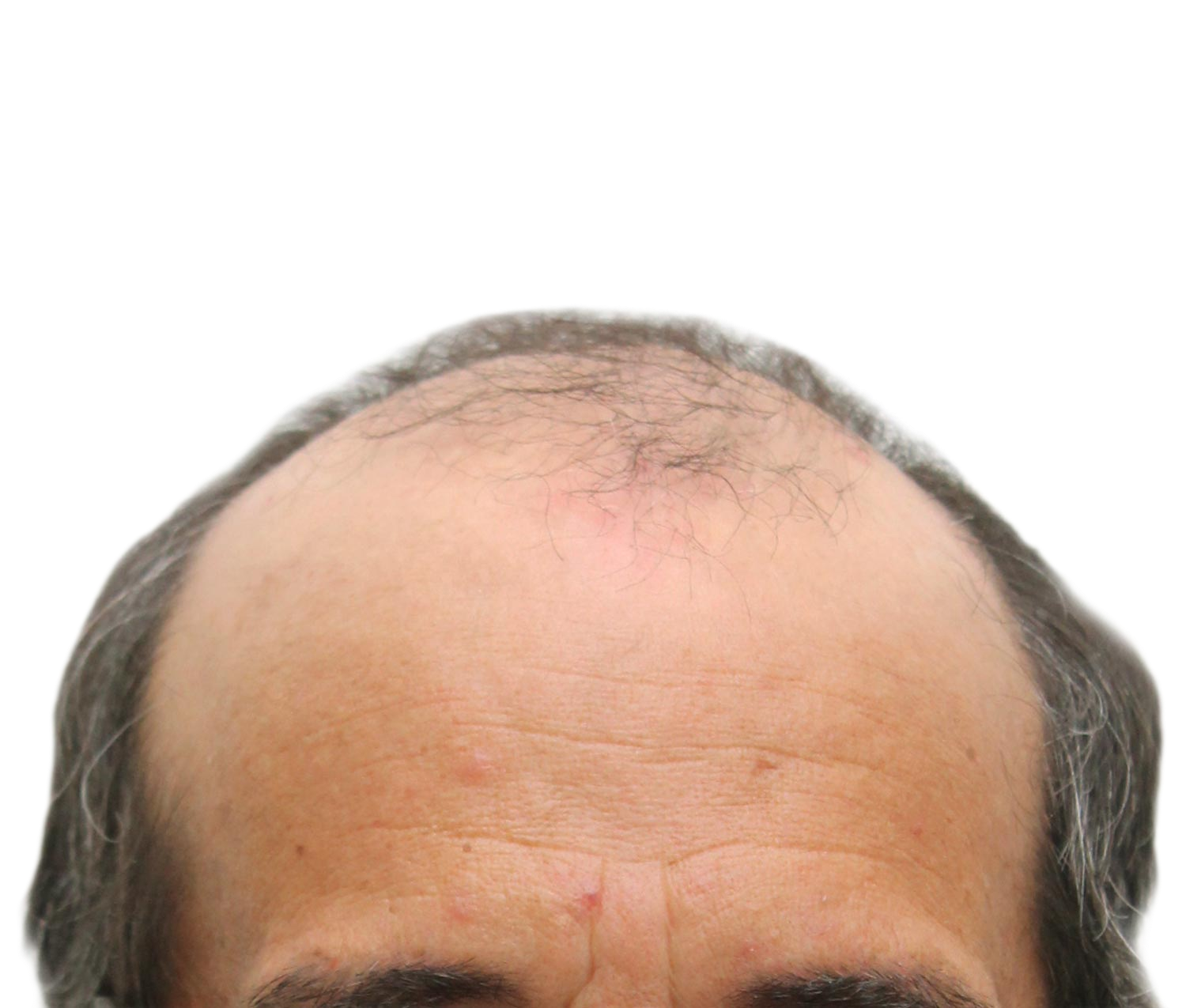
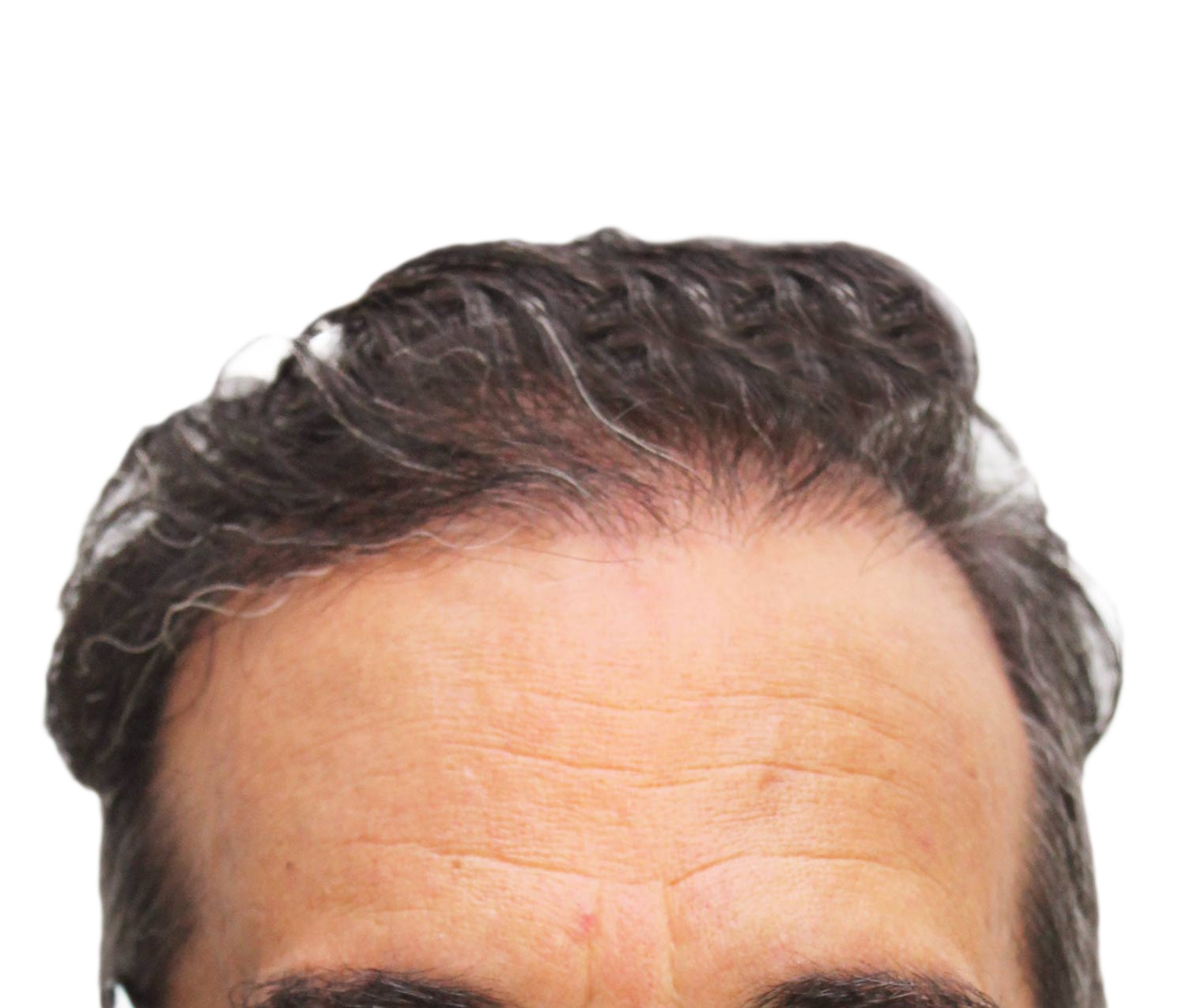


Natural-looking results begin with responsible planning
A successful hair transplant is not simply a matter of placing more hair. The medical plan must consider the design and age-appropriateness of the hairline, the direction and angle of growth, the distribution of density, the condition of the donor area, and how the result may look as hair loss progresses.
During your evaluation, the surgeon estimates the number of grafts needed and explains what coverage may be realistic. The available donor supply must be protected because it is limited. If the scalp donor area is insufficient, the surgeon may discuss whether alternative donor sources or non-surgical options are appropriate for the individual case.
View real patient results. Individual outcomes and growth timelines vary.
Why patients choose HERO Institute
Medical evaluation by a surgeon
Every prospective patient is evaluated by a surgeon, either in person or through a virtual consultation supported by photographs. The evaluation considers candidacy, donor capacity, estimated graft requirements, treatment options, and realistic expectations.
Experience since 1998
HERO Institute has provided hair-restoration care in Colombia since 1998 and was an early adopter of robotic technology in the country. The team offers manual FUE, robotic FUE, FUT, beard and eyebrow transplantation, PRP, laser therapy, medical hair-loss evaluation, and selected repair consultations.
Certified medical leadership
HERO Institute is led by Dr. Juan Carlos Maldonado, Medical Director and the only physician in Colombia certified by the American Board of Hair Restoration Surgery (ABHRS). He works with hair-restoration specialists in Bogotá and Medellín.
Support for international patients
More than 70% of HERO Institute’s patients travel from outside Colombia. Virtual evaluations, bilingual communication, preoperative coordination, and remote follow-up help international patients understand each stage of the process before arranging travel.
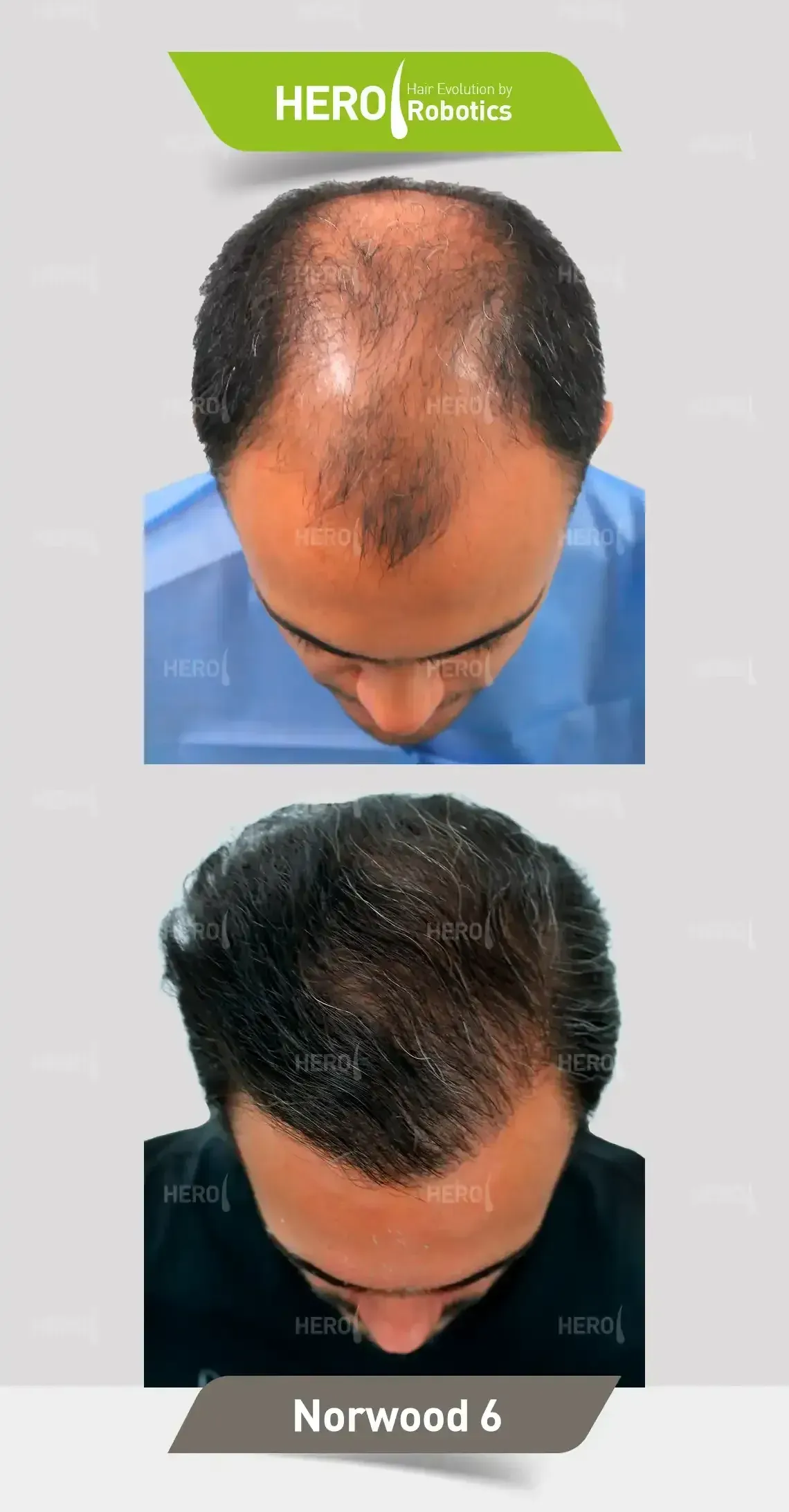
Hair-transplant options available in Colombia
Manual FUE
Follicular Unit Extraction removes follicular-unit grafts individually from the donor area. The grafts are prepared and implanted according to the surgical design. FUE avoids the long linear donor scar associated with FUT, although it still creates small circular scars that may be visible if the donor area is overharvested or shaved very closely.
Robotic FUE
HERO Institute offers robot-assisted graft extraction in both Bogotá and Medellín. The technology assists with identifying and extracting follicular units, while the surgeon remains responsible for diagnosis, candidacy, design, planning, and medical oversight. Robotic extraction is not appropriate for every patient; the available techniques are discussed during the medical evaluation.
FUT
Follicular Unit Transplantation removes a narrow strip of donor tissue that is dissected into individual grafts. It leaves a linear donor scar. HERO Institute offers FUT in selected cases but generally favors manual or robotic FUE when those approaches are medically appropriate and align with the patient’s goals.
Additional services
- Beard transplantation and density restoration
- Eyebrow transplantation and reshaping
- Platelet-rich plasma (PRP) therapy
- Low-level laser therapy
- Medical evaluation for hair loss
- Assessment of previous transplant results, donor-area damage, or scarring
- Postoperative monitoring and follow-up
What to expect: from consultation to follow-up
1.
Surgeon-led consultation
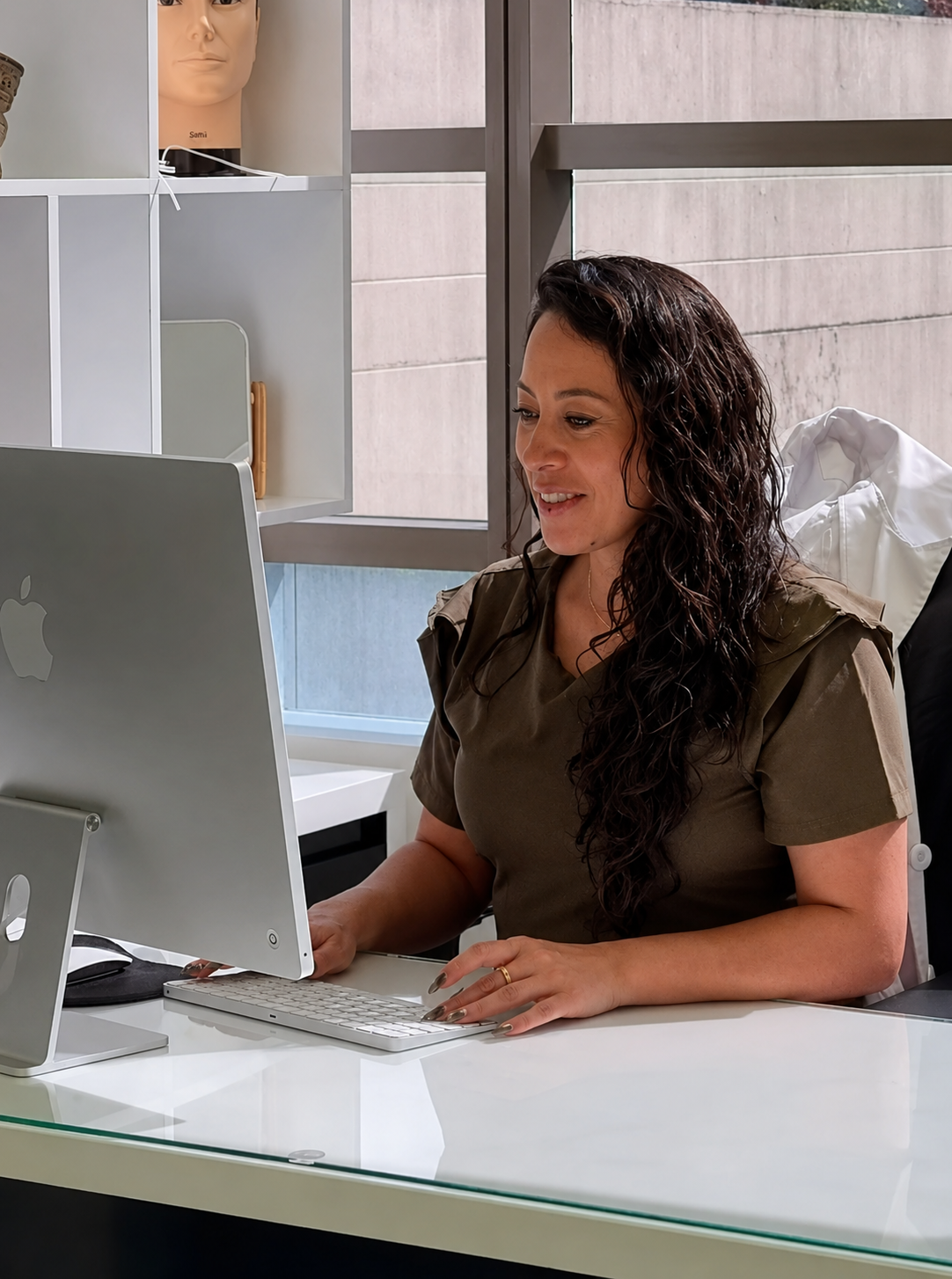
The surgeon and a patient advisor explain how hair transplantation works, how follicular units are formed, and which factors influence candidacy and results. The surgeon then evaluates the hair-loss pattern, donor area, hair characteristics, goals, and relevant medical history.
2.
Graft estimate and treatment options
Based on the examination, performed in person, by video consultation, or with suitable photographs, the surgeon estimates the graft requirement and discusses the techniques that may be appropriate. The estimate may be refined during the in-person examination.
3.
Preoperative appointment and laboratory testing
Patients who decide to proceed attend a preoperative appointment, commonly the day before surgery. Required laboratory testing is completed through an associated independent laboratory located in the same medical complex. Exact testing requirements depend on the patient’s medical history and treatment plan.
4.
FOX test for selected patients with curly hair
Some patients with curly hair may require a FOX test several days before the procedure. This test helps the surgeon evaluate how the follicles behave during extraction and whether the planned FUE approach is appropriate. The medical team determines when the test is necessary.
5.
Procedure day
A typical procedure takes approximately six to eight hours, although duration varies by graft count, technique, and case complexity. Local anesthesia is used. Patients can take breaks, change position, stretch, and have lunch according to the medical team’s instructions.
6.
Early recovery
Small scabs, redness, tenderness, and swelling can occur during early healing. The clinic provides individualized instructions for washing, sleeping position, activity, sun exposure, medication, and signs that require medical attention. Patients should follow HERO Institute’s instructions rather than generalized recovery advice.
7.
Twelve months of follow-up
HERO Institute follows patients the day after the procedure and around months 1, 3, 6, 9, and 12. Follow-up can include appointments, telephone calls, email, photographs, virtual visits, and in-person visits. Patients also have a dedicated communication line for questions that need input from the surgical or nursing team.
Planning a hair transplant in Colombia from abroad
International patients usually complete a virtual consultation before booking travel. The itinerary should include time for the preoperative appointment, laboratory testing, the procedure, and early postoperative care.
Some patients may be medically cleared to fly as early as the day after the procedure. HERO Institute generally recommends allowing approximately three to four days in Colombia when possible so the team can monitor early healing and perform the first postoperative wash. Travel timing must be confirmed with the treating surgeon because individual needs vary.
Hair-transplant cost in Colombia
HERO Institute provides pricing after a medical consultation because no two patterns of alopecia are identical. The final quote depends on the estimated number of grafts, donor-area quality, treatment zones, complexity, selected extraction technique, and whether additional planning is required.
Robotic extraction generally costs more than manual extraction. If the scalp donor supply is limited, the surgeon may need to discuss alternative strategies, staged treatment, other donor sources, or non-surgical options. A consultation is therefore necessary before an accurate treatment plan and quote can be provided.
Meet the HERO Institute medical team
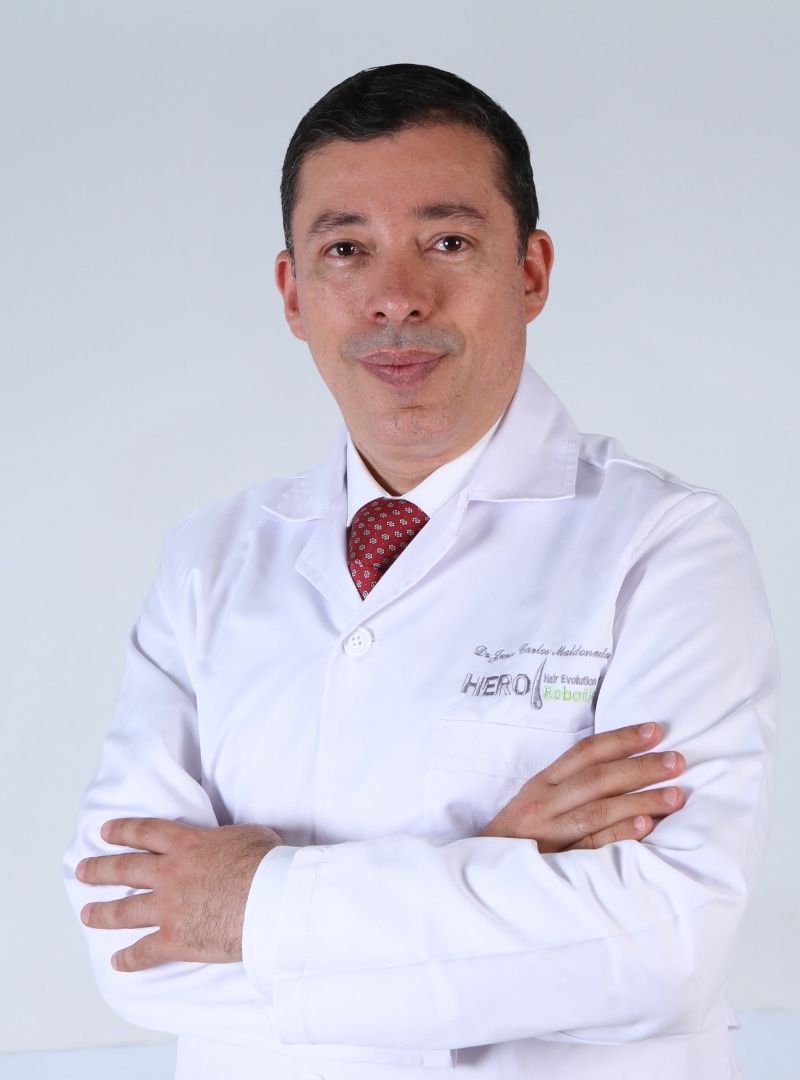
Dr. Juan Carlos Maldonado | Hero Institute Medical Director
A Colombian plastic surgeon with more than 25 years of clinical experience and the only physician in Colombia certified by the American Board of Hair Restoration Surgery.
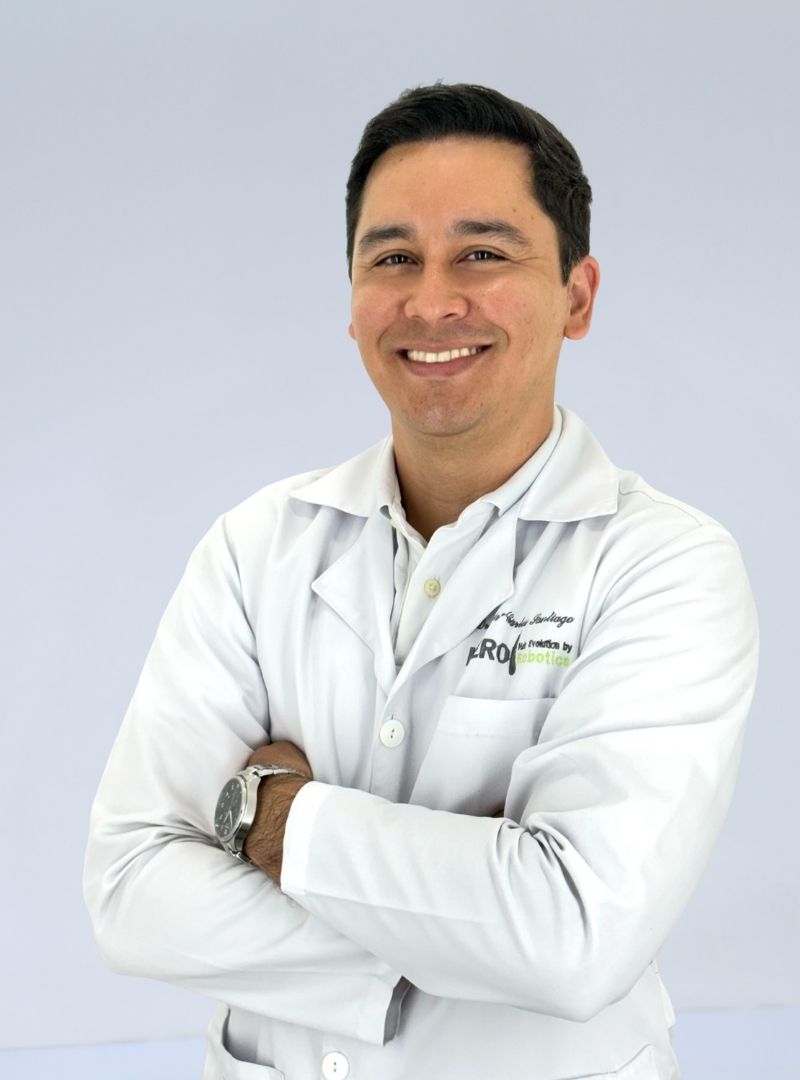
Dr. Luis Carlos Santiago | Hair Restoration Medellín
A physician trained in family medicine, emergency care, and regenerative aesthetic medicine in Spain; speaks English (C1) and now focuses on hair restoration in Medellín.
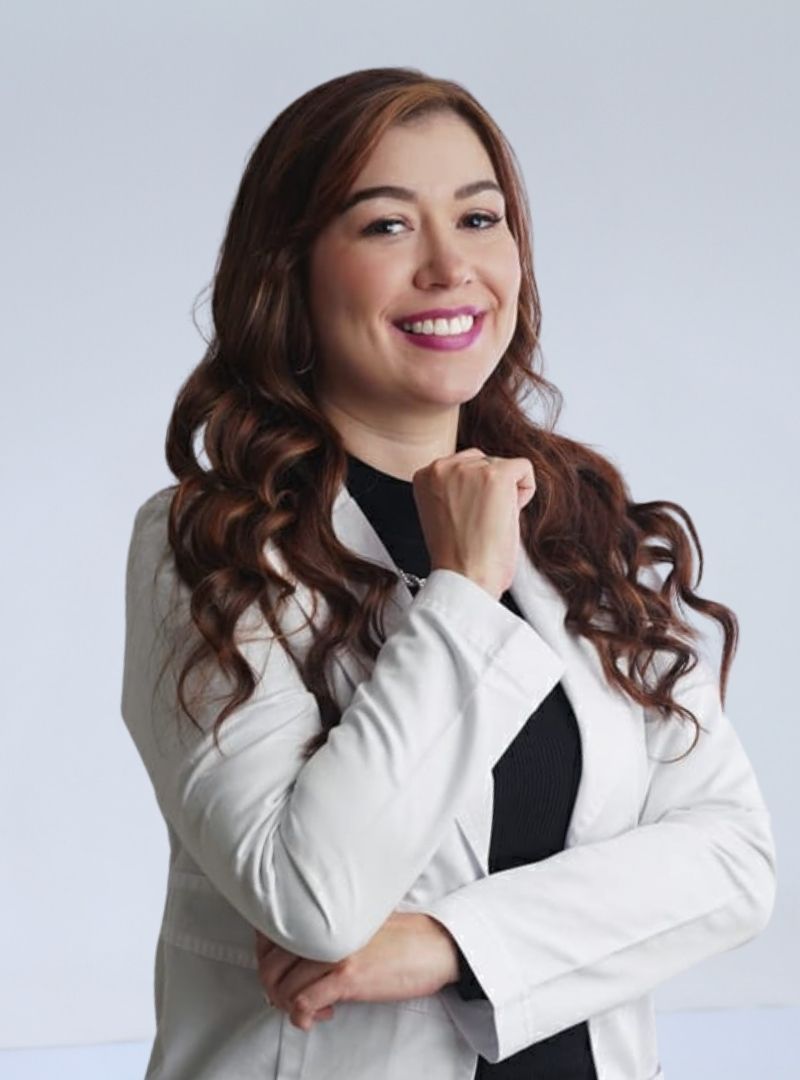
Dr. Juliana Londoño | Hair Restoration Medellín
A physician with specializations in health auditing and medical law, now focused on manual FUE hair restoration at Hero Institute Medellín.
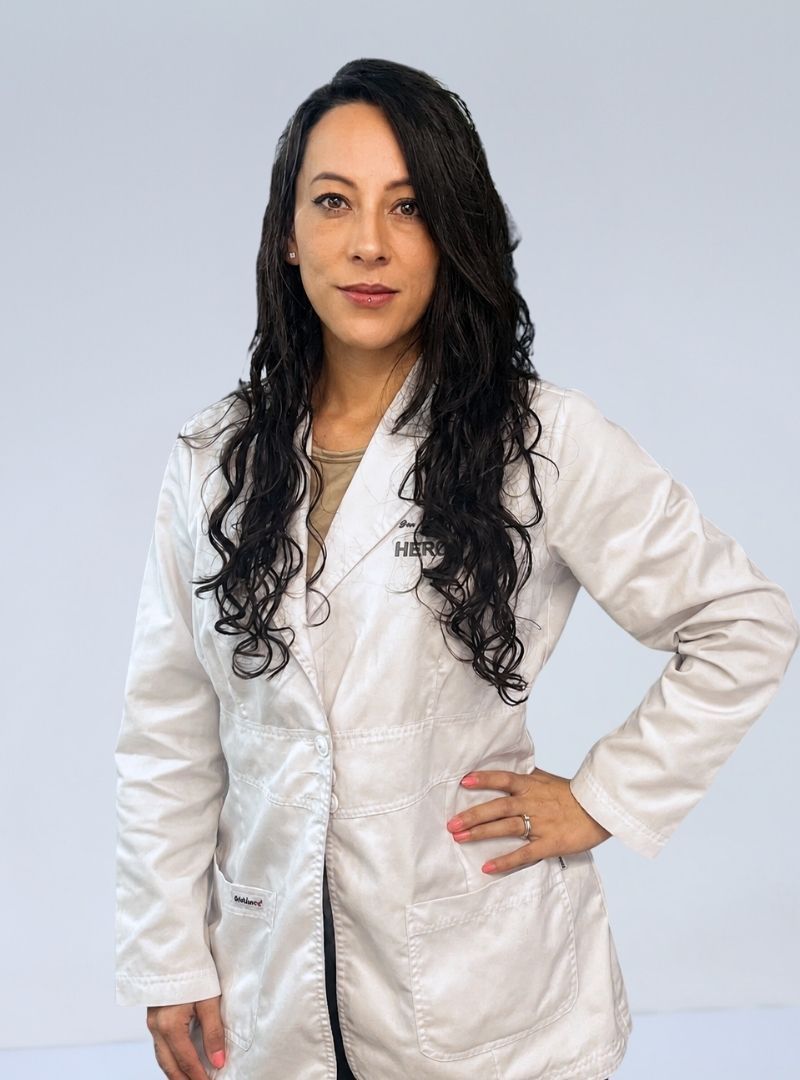
Dr. Maribel Caballero | Hair Restoration Bogotá
A physician and epidemiologist with extensive experience in comprehensive patient care, clinical assessment, and follow-up for hair restoration patients.

Dr. Carlos Mario Ríos Jiménez | Trichologist Physician Bogotá
A physician with a clinical focus on trichology and hair transplantation, with hands-on FUE experience across the head, eyebrows, and beard. Speaks English (C1) and sees patients at Hero Institute Bogotá.
HERO Institute clinics in Colombia
MEDELLÍN
Carrera 25 A Nro 1 A Sur 45
Torre Médica El Tesoro, Torre 1, Consultorio 730, Medellín, Antioquia
WhatsApp:
Call:
BOGOTÁ
Calle 117 #6a-60
Flormorado Empresarial, Consultorio 509, Bogotá, Cundinamarca
WhatsApp:
Call:
FREQUENTLY ASKED QUESTIONS
How much does a hair transplant cost in Colombia?
Pricing is provided after a medical consultation. It depends on graft requirements, donor-area quality, treatment zones, complexity, and whether manual or robotic extraction is selected.
How many grafts will I need?
The estimate depends on the pattern and extent of hair loss, donor density, hair caliber and curl, contrast between hair and scalp, desired coverage, and long-term planning. The surgeon provides an estimate after evaluating the patient.
Is FUE safe?
FUE is widely performed and is generally well tolerated in appropriately selected patients when performed by a qualified medical team. Risks can include bleeding, infection, swelling, numbness, scarring, poor growth, uneven density, and donor-area overharvesting. Screening and aftercare are important.
Is a hair transplant painful?
Local anesthesia is used to reduce discomfort. Patients may feel pressure, pulling, or temporary discomfort, and experiences vary. The team monitors comfort throughout the procedure.
Will FUE leave scars?
Yes. FUE avoids the long linear scar associated with FUT but leaves small circular scars where follicular units are removed. Responsible donor planning helps make these less noticeable.
Do I need to shave my head?
Shaving requirements depend on the technique, donor area, hair length, and treatment plan. Full or partial shaving may be recommended. The surgeon explains the options during the consultation.
When will I see results?
Early growth commonly becomes noticeable after several months. Density, texture, and appearance continue to mature over approximately 12 months and sometimes longer. Individual timelines vary.
Can I travel home immediately after the procedure?
Some patients may be cleared to fly the following day, but HERO Institute generally recommends staying approximately three to four days when possible for early monitoring and the first postoperative wash. The surgeon must approve the travel plan.
Are patients with curly hair candidates for FUE?
Many patients with curly hair can be candidates, but follicle curvature can make extraction more complex. HERO Institute may require a FOX test before surgery to evaluate the safest and most appropriate approach.
Why is a consultation required before receiving a price?
A reliable quote requires an assessment of graft needs, donor capacity, treatment zones, technique, and case complexity. Providing one standard price without evaluating the patient could create unrealistic expectations.